
Madison & Washington Counties, AR | Adair & Sequoyah Counties, OK
Northwest Arkansas
Improved Forest Management
ACR879
Project Summary
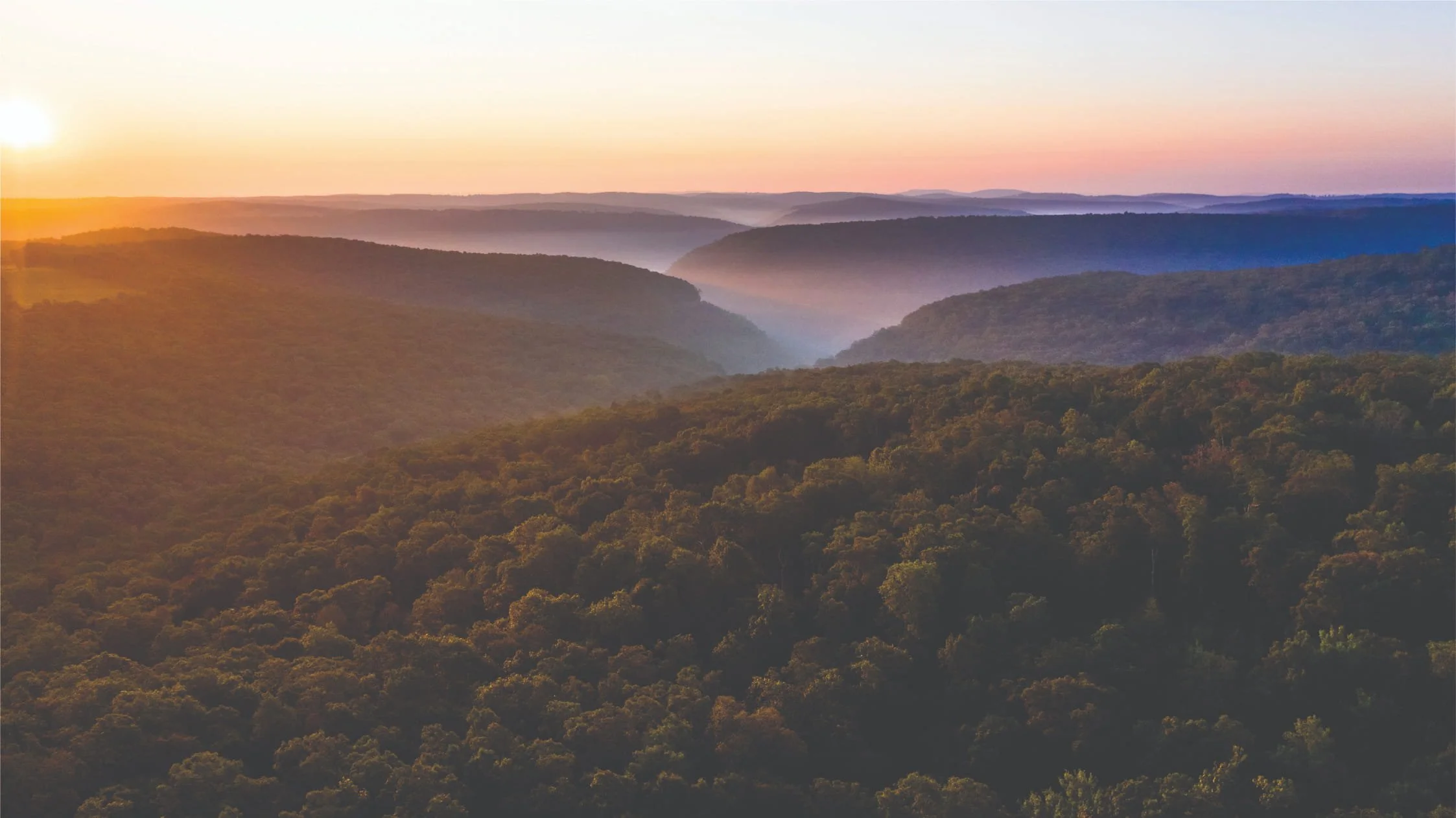
The Northwest Arkansas IFM project brings together ten separate landowners of discrete and separate forested tracts. These tracts vary in size from 160 acres to 2000 acres in size and span the Ozark Mountains of Arkansas and Oklahoma. Combined the project has enrolled 8,343 acres across four counties. This aggregated and programmatic development of forest carbon offsets will have a profound and lasting affect on the abundant natural resources on these properties; soil, wildlife and water.
In this region much of the surrounding forest lands are actively being clearcut for saw timber and pulp wood production. Until the current ownerships started buying these distressed properties approximately 20 years ago they were also engaged in this same cycle. Currently these ten properties are ready for another round of clearcutting and thinning to maximize NPV; this project incentivizes the ownership group to protect their forests for growth and carbon sequestration over the long term.
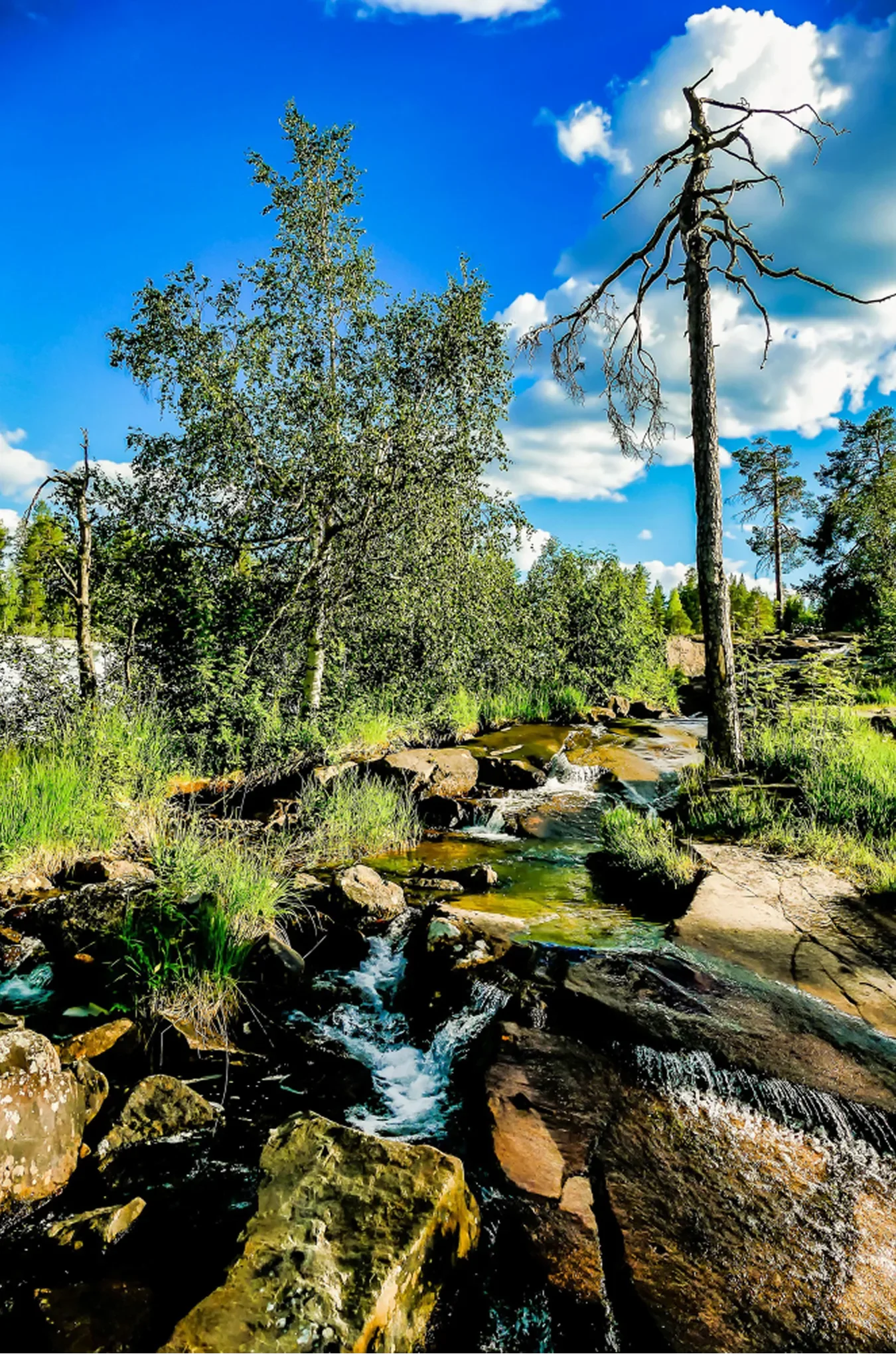
Recently, many of the adjacent property owners to this project have begun aggressively harvesting to pay for taxes, loans and land carrying costs. While stream course management zones are recommended in the state of Arkansas, many of the adjoining properties are clear cutting through perennial streams which will have an adverse effect on water supplies. This project gives the landowners the ability to meet their financial responsibilities while avoiding heavy harvests and environmental degradation.
Baseline Description
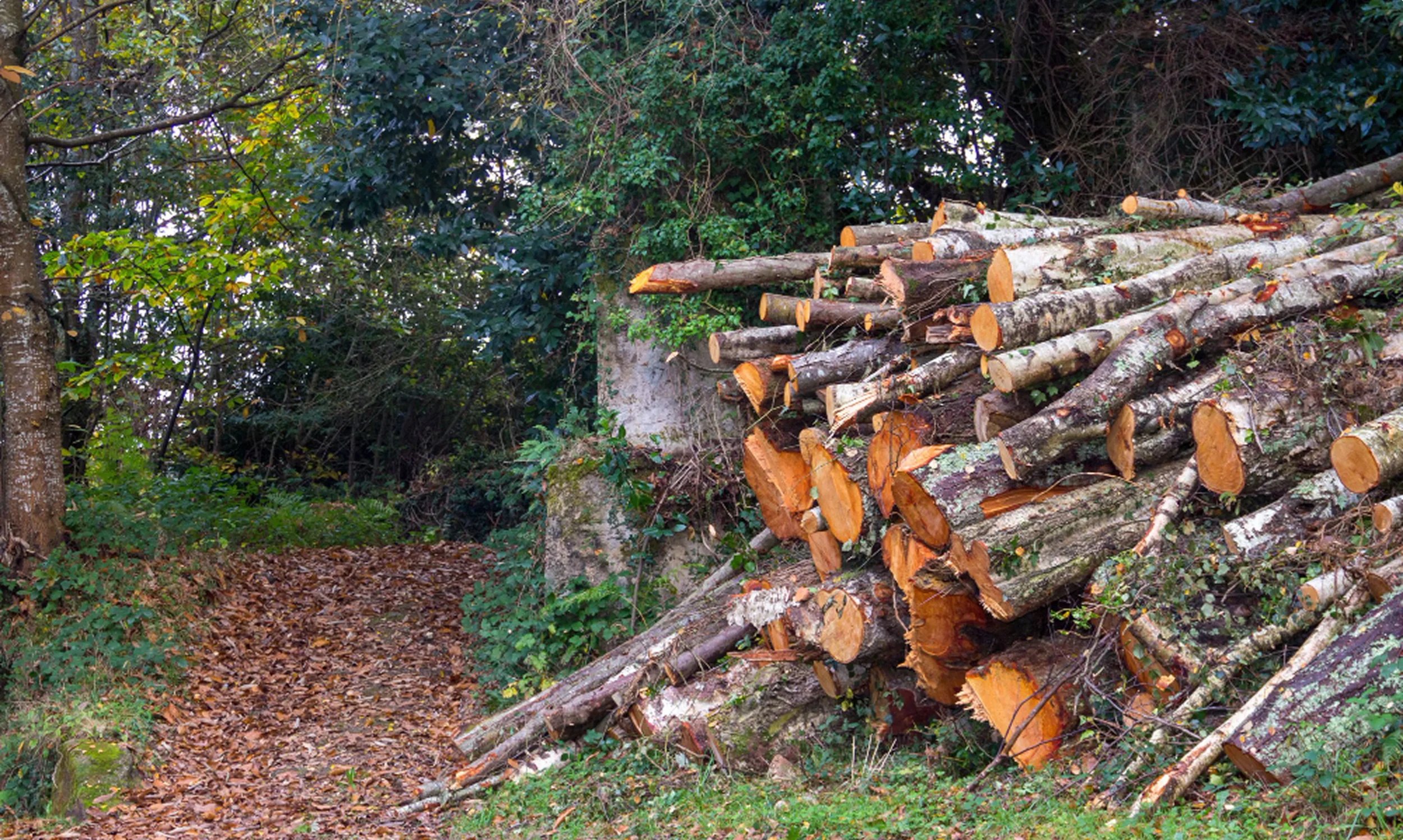
The Northwest Arkansas IFM baseline scenario is derived from common practice forestry methods in the region. While the baseline scenario could have been maximized further to reflect applicable laws/regulations and common practice industrial forestry in the region, a more conservative approach of seed tree retention has been applied. While this voluntarily reduces the crediting potential from the project, it reflects conservative single tree selection harvesting to provide robust and conservative credits. Furthermore, the baseline chosen for this project is a reflection of the one that still maximizes net present value over 100 years. Based on these criteria, the baseline scenario across the project is a thinning to 10 square feet per acre with retention of white oak seed trees for mast crop production and future seeding. Several mills in the region are hungry for both pulp wood and saw wood deliveries. Additionally, white oak stave logs are paying $8,000 per truckload, which makes high grading the forested lands a very real possibility without this project.
Additionality and Permanence
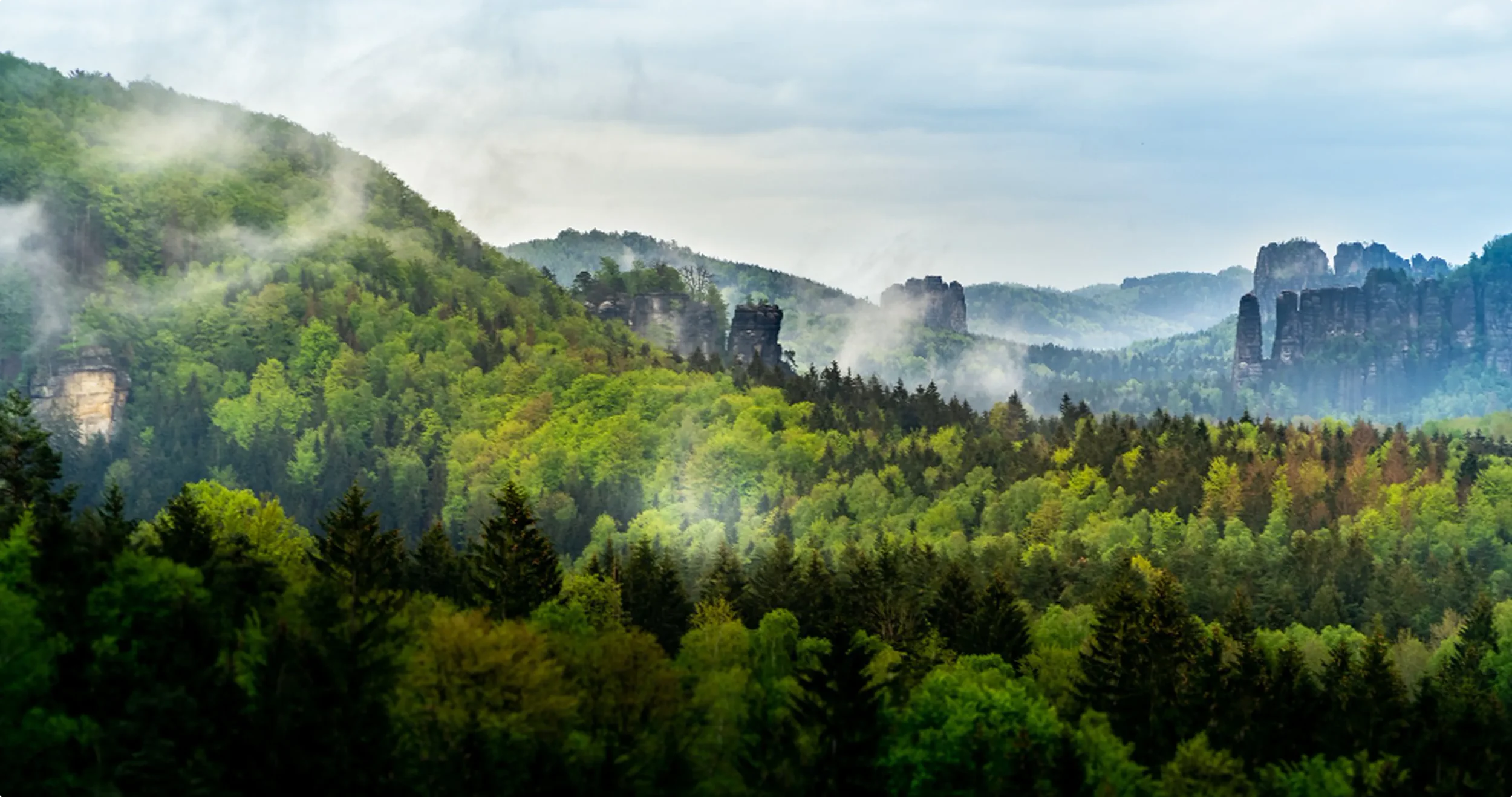
The ownership group of this project are all conservationists who want to protect their properties and the ecosystems that make them special. The financial incentives proposed by this project will ensure that their timber and forested ecosystems are protected for the long term. Most of the ownerships in this project have long term ownership structures where the properties will pass down to their children. Multiple generations are engaged in each of these properties to ensure that their legacy continues. By having a diverse basket of ownership groups spreadout over 4 counties and two states we can minimize leakage while providing real additionality and permanence over a large area.
Regional Harvesting Capacity
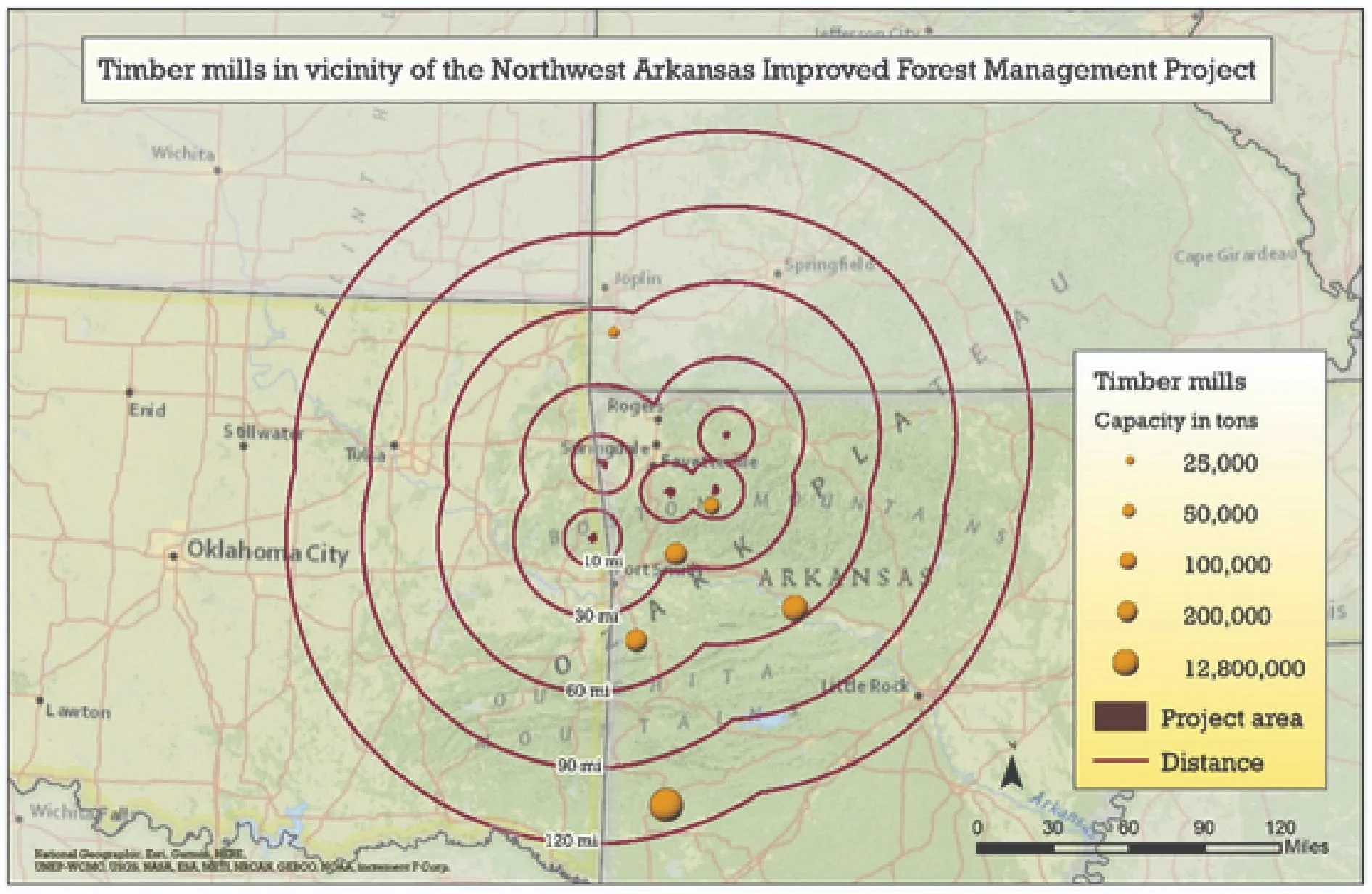
Within 120 miles of the project area there are ample production capabilities to handle this entire projects timber in one year. For this project we modeled a three year baseline harvest of all project lands as a conservative measure based on quality operators in the region.
Regional Harvesting Activities
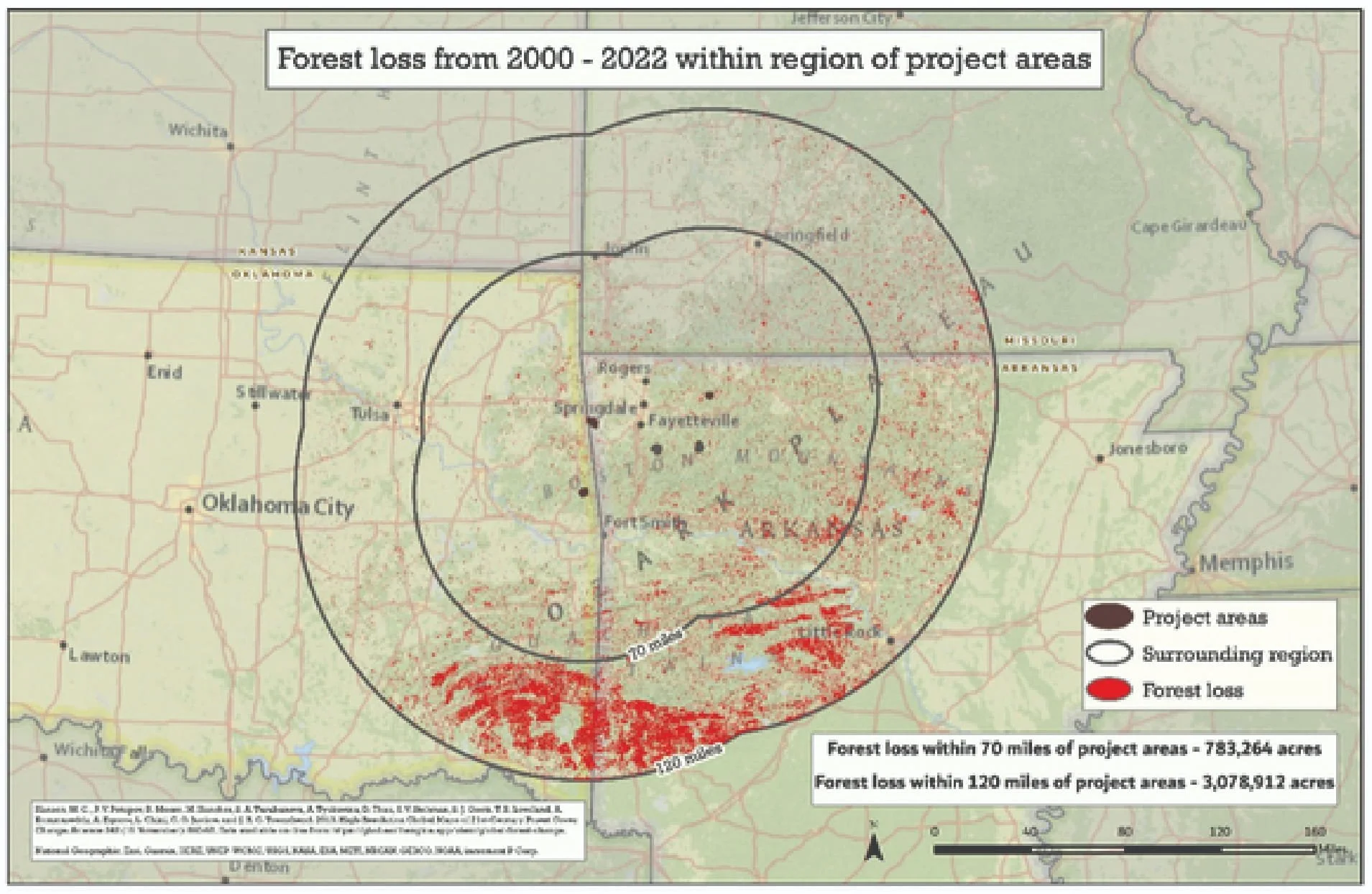
In the preceding 22 years we have seen a loss of 783k acres of forested ground within 70 miles of the project area. During this same time frame over 3 million forested acres have been lost within 120 miles of the project area.
Protecting Diverse Habitats
The area within the project and surroundings encompasses various habitat types, including mature forests, riparian zones, wetlands and grasslands. The most significant habitat type in the project area is the mature growth forest, which is dominated by oak-hickory and mixed hardwood forests.
Black bear
The largest terrestrial mammal in the region.
Northern long-eared bat
A cave and tree dwelling bat species that roosts in the foliage of mature forests.
Cerulean warbler
Small, colorful birds dependent on mature forests for breeding.
Three-toed box turtle
A charismatic species with a strong connection to the forest floor.
Ozark Hellbender
The largest aquatic salamander in North America, found in clear, cool waters.

Protecting Diverse Habitats Continued
The mature forests of the Northwest Arkansas IFM Project area harbor a rich diversity of habitat types and animal species that are ecologically significant. Preserving these forests is crucial for maintaining the region’s biodiversity and ensuring the long-term survival of countless species. Conservation efforts should focus on protecting mature forests from logging and fragmentation to preserve this unique and valuable ecosystem.
-

Clean water and Sanitation
The Northwest Arkansas IFM project preserves over 8,343 acres of forested lands and associated soils. Over 1/5 th of all Arkansas residents water originates, flows through, or adjoins the project properties.
-

Climate Action
Reduction and Removal Enhancements; the project is projected to reduce 426,917 tonnes of CO e and remove 348,947 tonnes of CO e over the 20-year 2 2 crediting period net leakage.
-

Life on Land
This project avoids aggressive harvesting and/or conversion scenarios where many land-based habitats would be disturbed or destroyed. With over 740 acres of stream management zones and water adjoining forests, this project preserves tree root systems that filter and reduce the amount of sediment and pollutants that enter the water. This directly benefits fish and other aquatic species such as the endangered clams in the area.

Work With DEI
Ready to Elevate Your Land Management Strategy?
Whether you need a forest management plan, carbon offset feasibility analysis, or a full NEPA review — our team is ready to deliver measurable results.